
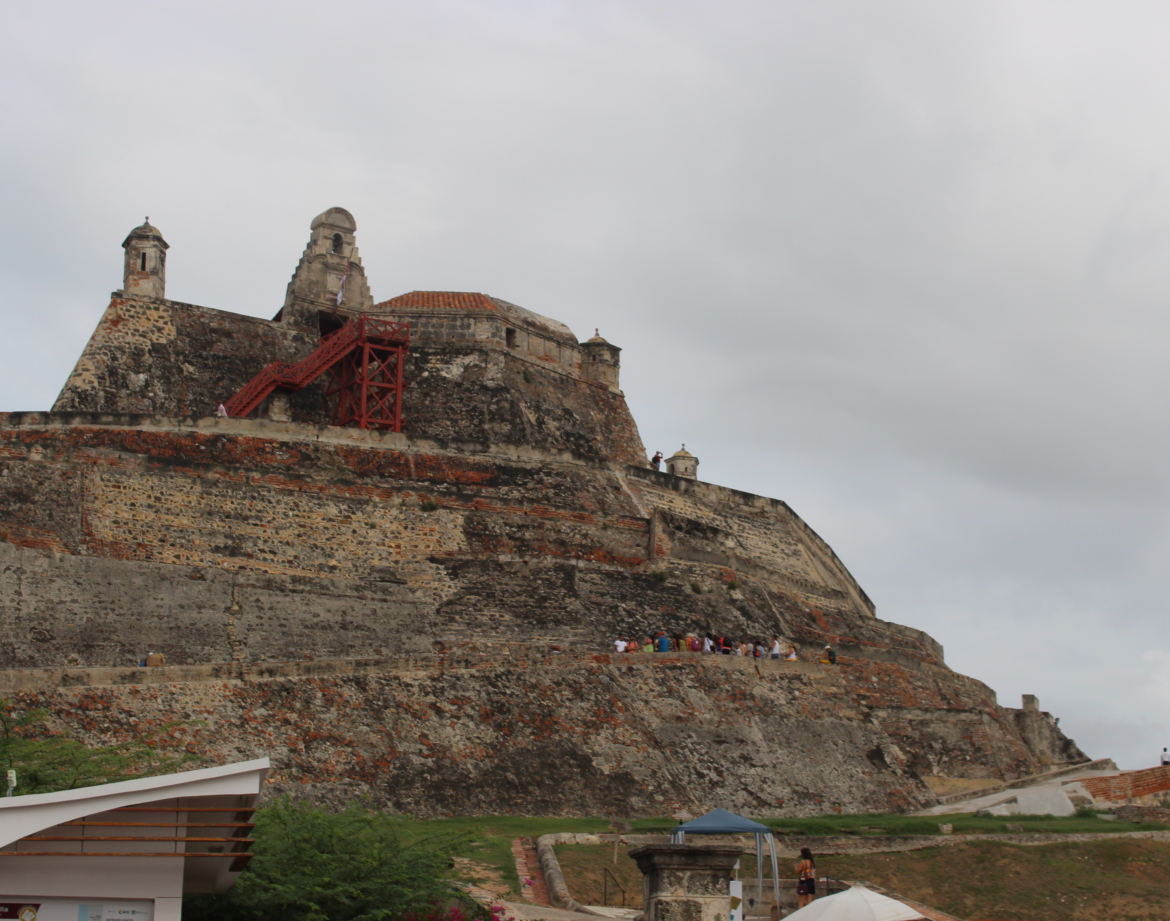
Castillo San Felipe de Barajas
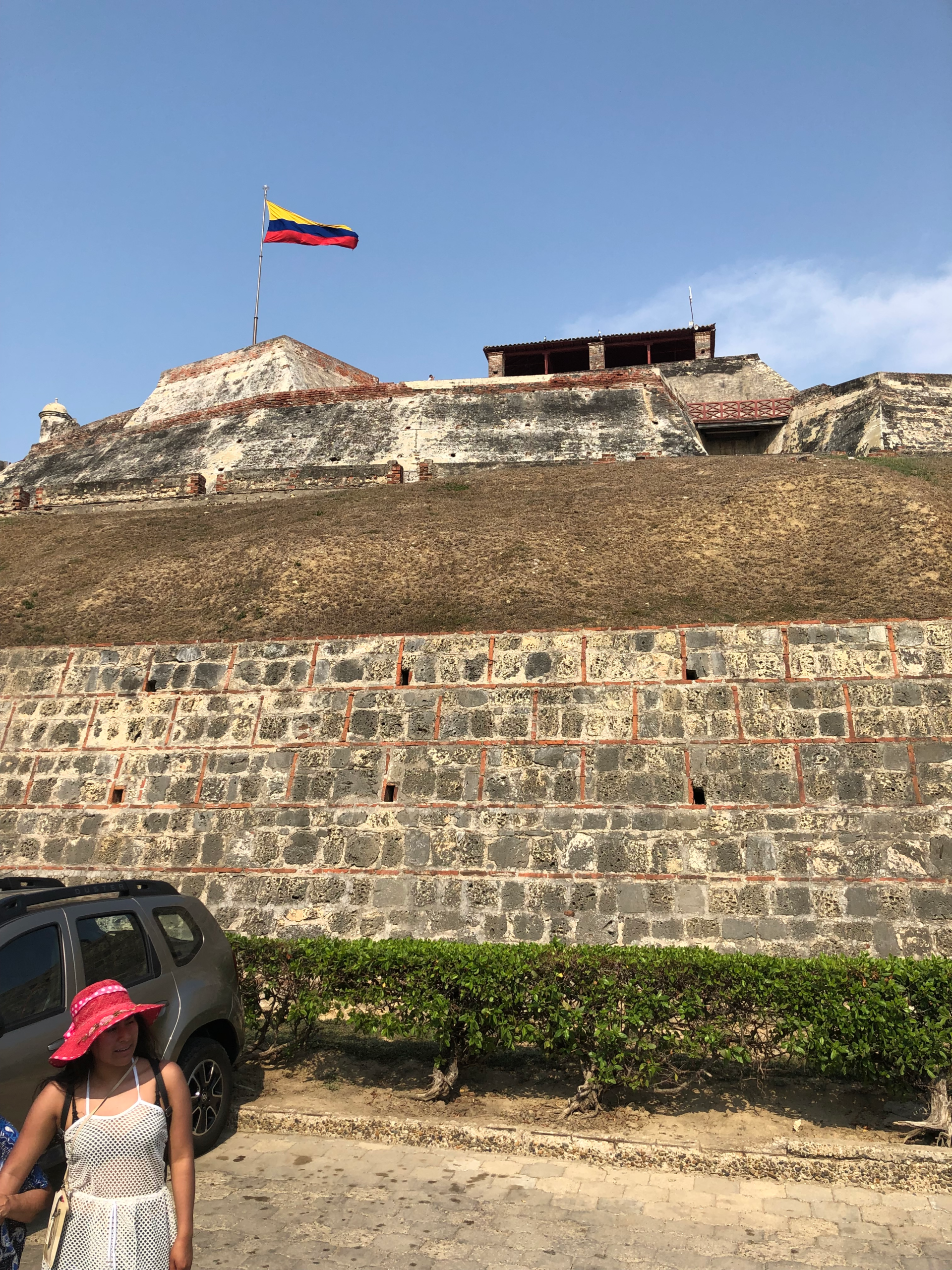
Castillo San Felipe de Barajas – Cartagena’s Impregnable Fortress
Origins & Strategic Design
* The fortress’s earliest foundations date back to 1536, just a few years after Cartagena was founded.
* It was later extensively expanded between 1639 and 1657, with further enhancements continuing into the 18th century.
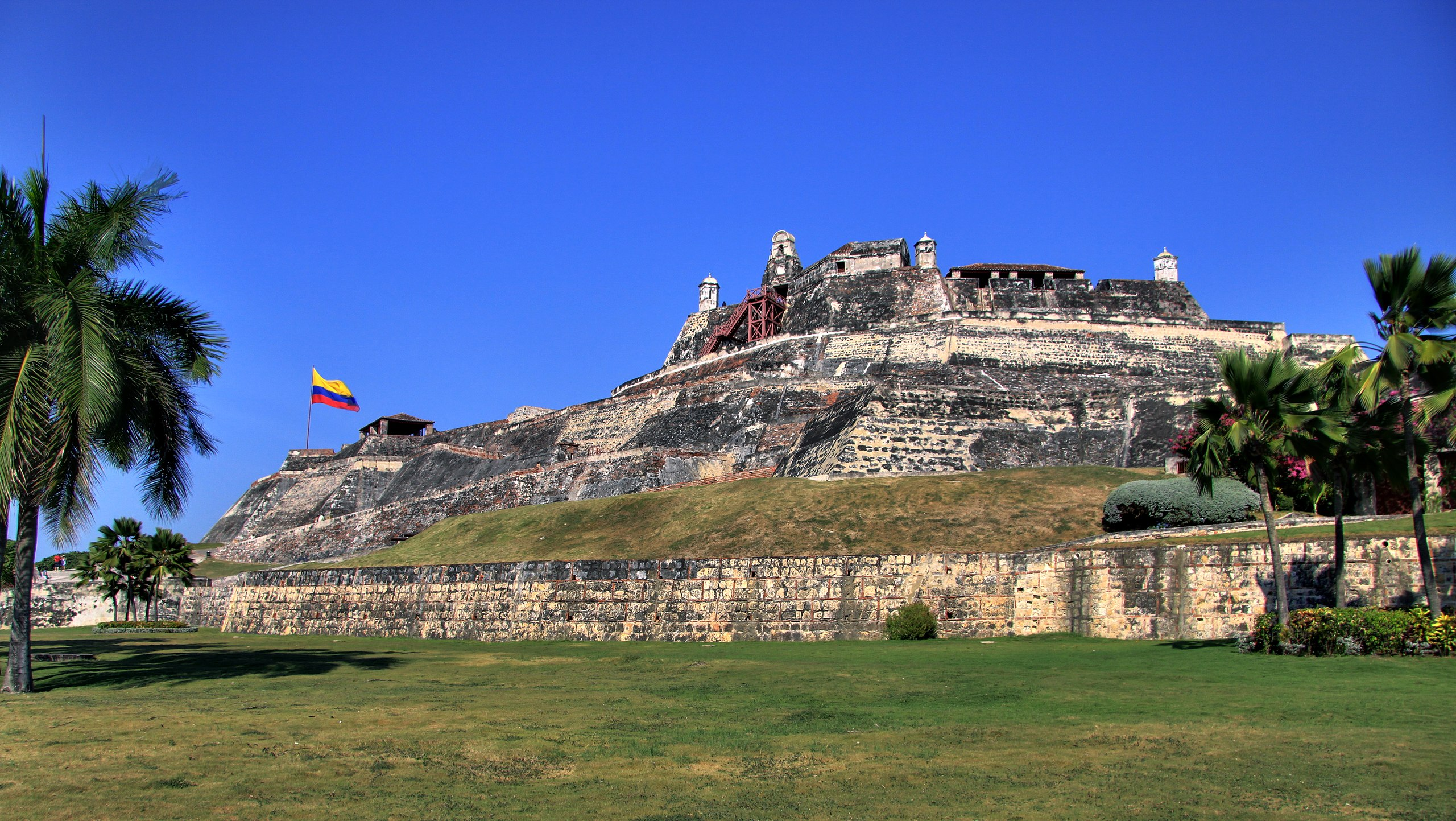
* Positioned atop San Lázaro Hill, approximately 40 meters above sea level, it dominated both land and sea approaches to the city.
Architectural Mastery
* A hallmark of Spanish colonial military architecture, the castle features zigzagging walls, bastions, and defense-in-depth layering, making it highly resilient to artillery and land attacks.
* Its design also included intricate underground tunnel systems, used for moving supplies, facilitating strategic defense, and even evacuation.
Historic Defense & Notable Battles
* The castle never fell to invaders, earning it a reputation as “impregnable”
* Attacked by the French commander Baron de Pointis in 1697, it resisted occupation.
* Its most celebrated defense came in 1741, when Admiral Blas de Lezo repelled a massive British invasion despite being heavily outnumbered—a true testament to his genius, using the fortress’s defenses to full effect.
Cultural Heritage & Modern Recognition
* In 1984, UNESCO designated the historic center of Cartagena — including Castillo San Felipe de Barajas — as a World Heritage Site, recognizing it among the most complete Spanish colonial defensive ensembles in South America.
* It was also named one of Colombia’s Seven Wonders in 2007, underlining its national significance.
* Beyond its historical role, the castle has hosted prominent events, like the 2012 Summit of the Americas dinner, highlighting its continued cultural and governmental importance.
Visiting Today
* As Cartagena’s largest fortress, it’s a must-visit attraction, offering exploration through its tunnels and spectacular views of the cityscape from its ramparts.
* Guided or independent tours let visitors appreciate both its architectural complexity and strategic ingenuity.